
When Justice Appears Distant, Children Become More Vulnerable
Yeama Sarah Thompson
3/8/20263 min read
Watching the recent documentary on the Epstein scandal has unsettled many of us across the world. Beyond the individual crimes, what is most disturbing is how systems, silence, and social power allowed abuse to continue for years. It forces a difficult question that reaches far beyond America:
Are our own systems strong enough to protect the vulnerable?
This is not simply about one predator or one country. Abuse thrives where power is unchecked, where reputations are protected over lives, and where victims fear speaking out. When communities choose silence to avoid shame, perpetrators are shielded, and children are left exposed.
The reactions to this conversation on Facebook from advocates and citizens alike reveal both pain and urgency.
Sexual and Gender Based Violence activist Florence Katta captured the emotional weight of the issue simply: “My sister, it’s so sad.”
Marcella Samba Sesay, Human Rights Activist and Executive Director of Campaign for Good Governance, underscored the structural dimension: “These are the realities we are living with. Collective and coordinated actions required.”
Former staff of World Vision Sierra Leone and Civic advocate Edward Fewry raised a critical reminder: “What about the boys?” highlighting that safeguarding must protect all children.
Retired nurse and philanthropist Nellie Gbla , living in the United Kingdom, reflected on the disturbing power imbalance: “Totally agree, it keeps your mind going all the time, the powerful men against young girls.”
And Sudanese human rights activist Labanya Mathya pointed to the path forward: “Surely we need to strengthen our institutions and ensure everybody is held accountable for their acts.”
These voices reflect a shared truth: this is not an abstract issue. It is a lived reality demanding collective responsibility.
In Sierra Leone, as in many societies, respectability, hierarchy, and social influence can discourage reporting wrongdoing. Families may remain quiet to avoid stigma. Institutions may hesitate when influential figures are implicated. Faith and community structures, which should be sanctuaries, can sometimes become spaces where allegations are suppressed rather than confronted.
This culture of silence is dangerous.
Protection of children cannot depend solely on parental vigilance, though that remains essential. It requires systems that prevent, detect, and punish abuse without fear or favour. That includes laws that are consistently enforced, reporting mechanisms that are safe and trusted, independent investigations, and courts that deliver timely justice.
Yet a troubling reality persists when citizens begin to believe that justice can be influenced by money, status, or connections; trust erodes. Victims may decide that speaking out is futile. Witnesses may choose safety over truth. Communities may normalize wrongdoing rather than confront it.
Demanding integrity from our justice institutions is not an attack on them. It is a defense of their purpose.
Accountability must apply to everyone regardless of gender, wealth, religious standing, or political influence. Abuse networks do not operate alone; they are enabled by silence, complicity, and social protection. This includes confronting uncomfortable truths: sometimes those trusted by children, mentors, relatives, community figures, even women entrusted with care, can become facilitators rather than protectors. Safeguarding must therefore be universal, not selective.
We must build a culture where children are believed, where reporting abuse is safe, and where institutions respond decisively. Parents must listen. Communities must refuse to normalize harm. Faith institutions must safeguard the vulnerable. Leaders must protect lives, not reputations.
Most importantly, we must be brave enough to speak!
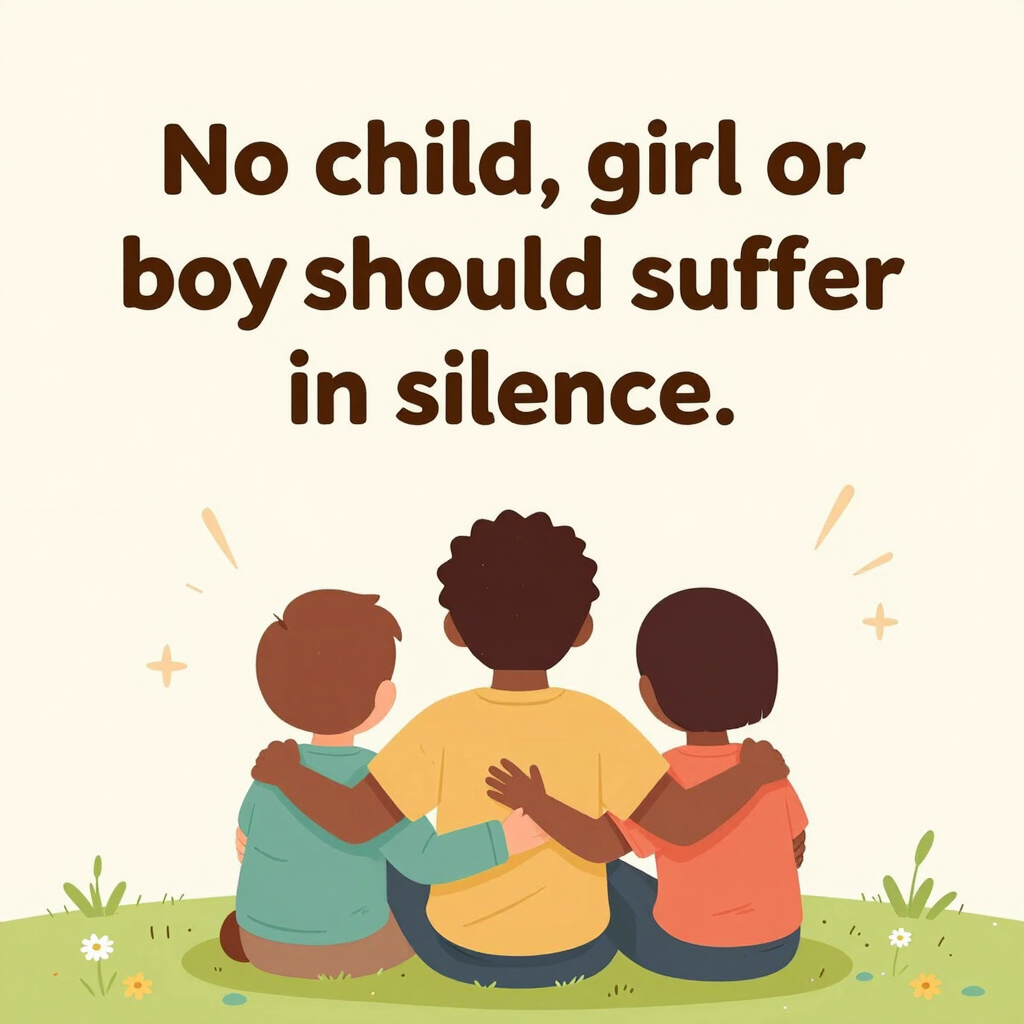
No child, girl or boy, should suffer in silence.
About the Author
Lolo Yeama Sarah Thompson-Oguamah is a Sierra Leonean media executive, development communication strategist, and governance advocate. She serves as Managing Director of the Sierra Leone News Agency (SLENA) and is the Founder and CEO of Initiatives for Media Development (IMdev), where she leads national and international programs focused on civic engagement, gender equality, accountability, and public sector reform. With decades of experience working alongside government institutions, development partners, and civil society, she champions media as a tool for transparency, social justice